TryShadowing
Shadow YouTube. Nói tiếng Anh.
Trang chủ
Khám phá
Chép chính tả
NEW
Thư viện
vi
0
ngày
Đăng nhập
Learn ALL 16 TENSES E… — English with Lucy luyện shadowing | TryShadowing
TryShadowing
Shadow YouTube. Nói tiếng Anh.
Trang chủ
Khám phá
Chép chính tả
NEW
Thư viện
vi
0
ngày
Đăng nhập
Trang chủ
Khám phá
English with Lucy
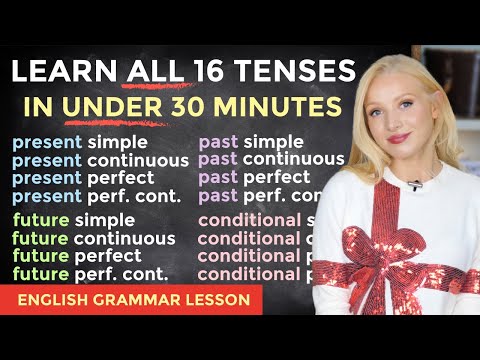
Learn ALL 16 TENSES Easily in under 30 Minutes - Present, Past, Future, Conditional
Learn ALL 16 TENSES Easily in under 30 Minutes - Present, Past, Future, Conditional
English with Lucy
·
28:31 · 29 thg 7, 2022
Bắt đầu học
0:00
0:00
Ghi âm
×1
1x
VI
EN
JA
KO
ZH
FR
PT
TH
IT
DE
IPA
Chấm điểm phát âm chưa hỗ trợ trên trình duyệt này — bạn vẫn ghi âm & nghe lại được.
hello
lovely
students
and
welcome
back
to
english
with
lucy
Đang dịch…
Bật Ghi âm để được thu giọng và chấm điểm
Thông minh
Karaoke
Câu gốc
Câu
1
/634
0:00
hello lovely students and welcome back to english with lucy
0:03
i have an amazing
0:04
video for you today if i do say so myself
0:07
i'm going to teach you all of the english tenses
0:10
so many of you have been requesting
0:13
a tenses video i say
0:15
go big or go home that's a great saying
0:18
it means either put in all your effort
0:22
or do nothing at all go big
0:24
or go home i'd personally
0:26
rather put in all of my effort
0:28
so today in under 30 minutes
0:31
we will go through
0:33
all 16 tenses including
0:36
the conditionals you will walk away from this lesson with a much
0:40
better understanding of english grammar
0:42
now before we get started
0:44
i've also got something
0:46
really important to mention
0:48
especially if you're extremely
0:50
serious about taking your english grammar and your knowledge
0:54
of english tenses to the next level we are running a 30-day
0:59
tenses challenge in 30 days
1:01
you will master the english tenses
1:05
the present the past
1:06
and the future i will teach you them
1:09
with detailed grammar explanation
1:12
mind maps for every tense
1:15
25 to 30 exercises
1:17
for each tense reviews
1:20
of the tense a final
1:22
exam it's an amazing
1:24
challenge it will bring you amazing
1:27
results but it's a small investment
1:29
only 15 minutes per day you could also group it up and do
1:34
30 minutes every other day the tenses
1:37
are the building blocks
1:39
of english you can't progress
1:41
if you don't know them
1:42
so why not go for it do it in 30 days
1:46
aside from the course content
1:48
and you have lifetime
1:49
access to that you also have 45
1:52
days access to our course community
1:55
there you can interact with my teachers
1:58
request feedback ask questions
2:01
clarify your doubts and you can interact
2:04
with the other course students
2:06
when you complete the challenge you get a digital
2:08
certificate of completion to prove your attendance
2:12
of the english course
2:13
all of the information
2:14
is down in the link below
2:16
we are running a special price
2:19
it will not continue for long
2:21
there is a deadline
2:23
click on there see if it's right for you and then you can enroll
2:26
there's a deadline for enrolment
2:28
you must enroll by midnight
2:31
on the 31st of july
2:33
we start the lessons
2:34
on the 1st of august you will receive your first lesson then i can't
2:38
wait to welcome you into the tenses
2:41
challenge right let's get started with the video
2:44
okay so today we're learning
2:45
all 16 tenses in english and i'm going to give you loads of examples
2:50
so that you can learn them and use them yourself
2:52
firstly i think it's best to have an overview
2:55
and then we can go more
2:57
in depth into each group
2:59
i know that going over
3:00
16 tenses all in one lesson
3:03
may seem like a lot
3:04
and it is this is a big lesson
3:06
but they do share a lot of characteristics
3:09
so seeing them all together
3:10
can make them easier to learn and remember
3:12
let's go through them first we have the present simple
3:16
i eat chocolate the present continuous
3:19
i am eating chocolate
3:21
the present i have eaten
3:24
chocolate the present perfect continuous
3:28
i have been eating
3:30
chocolate then we move on to the past
3:33
simple i ate chocolate
3:36
the past continuous i
3:39
was eating chocolate the past perfect
3:42
i had eaten chocolate
3:45
whenever i say had i can't help but go
3:48
oh i had eaten
3:51
and the past perfect
3:53
continuous i had been
3:56
eating chocolate oh i just can't not do that now moving on to the
3:59
future we have the future
4:02
simple i will have a toothache
4:04
after all this chocolate
4:06
just kidding i will eat chocolate
4:09
the future continuous i
4:12
will be eating chocolate
4:14
the future perfect i will
4:17
have eaten chocolate and the future
4:20
perfect continuous i will have been eating
4:25
chocolate last group we have is conditionals
4:28
the conditional simple i would eat chocolate
4:31
the conditional continuous i would be eating chocolate
4:36
the conditional perfect i would
4:39
have eaten chocolate and finally the conditional
4:43
perfect continuous i would have been
4:46
eating chocolate can you see how many similarities
4:49
there are between all of these tenses
4:51
now let's look a little more closely
4:53
starting with the present
4:55
tenses the first tense that you learn in english
4:58
is usually the present simple and that's for good reason
5:02
it's actually the tense that native speakers use in around
5:06
50 of their written and spoken communication
5:09
we do use the other present tenses
5:11
quite often too so they are all
5:13
really really important the present simple
5:16
i work on tuesdays
5:18
this is used to talk about general statements
5:21
habits and facts the present continuous
5:24
i am working now
5:26
this is used to talk about actions that are happening
5:29
right now the present perfect
5:31
i have worked at a pub
5:33
we use this to talk about
5:35
past events or past actions that have present
5:38
consequences and the present perfect
5:41
continuous i have been working
5:44
for three hours today
5:45
this is used to talk about an action that started
5:48
in the past and continues
5:50
to the present okay
5:52
the structure of the present
5:54
simple like its name it is fairly simple
5:56
we have the subject
5:58
plus the base form of a verb
6:01
except from in the third person singular and this always catches my students out
6:06
when they're relatively new to learning english
6:08
in the third person singular
6:09
we add an s
6:11
so for i you we and they
6:15
i work we eat
6:18
they play you do but for he she in it it is
6:22
she he cleans it smells
6:26
another exception is be the verb to be
6:30
to be has its own forms in the present simple
6:33
i am you are he she it is
6:36
we are they are as i said before we use the present simple to
6:40
talk about general statements
6:43
facts and habits we also use it to talk about scheduled
6:47
events like plane and train times
6:50
here are some examples
6:52
i am a woman
6:54
my name is lucy
6:55
this is a general statement or fact
6:58
mary meets her friends on friday evenings
7:00
that's a habit the train to london
7:03
leaves at 8 p.m
7:04
that's a scheduled event in the future
7:06
our dog eats the cat's food
7:09
and that's habit a habit we're trying to conquer at the moment we don't
7:12
know why he started doing it but he has since moved house
7:16
i hope all of that's clear there are lots more examples
7:18
in the pdf and there is a quiz
7:21
for every tense so please do download that the link is down below in
7:25
the description box right
7:27
let's move on to the present continuous
7:30
we use the present continuous
7:31
to talk about things that are happening
7:33
at the moment of speaking
7:35
but be careful in general
7:38
there is an exception
7:39
we can't use state verbs
7:42
words like want for example
7:47
there is an exception there and i will mention it
7:50
it's to do with slang
7:52
the structure of the present continuous
7:54
is subject plus b
7:57
plus verb ing it rhymes
8:00
subject plus b plus verb ing
8:03
you can use that
8:04
here are some examples
8:06
i am teaching english
8:08
they are baking cookies
8:11
we can also use this tense to talk about things that we think
8:15
are temporary compare these two
8:18
james lives in manchester
8:21
james is living in manchester
8:23
in the first sentence i use the present simple because i think that his
8:26
state is more or less permanent
8:28
but in the second sentence
8:30
i use the present continuous
8:32
because i think his situation
8:33
might be temporary he's living in manchester
8:36
now but i don't know what might happen in a few weeks or months
8:39
perhaps he's studying there or he's working there for a short time
8:43
now you will hear
8:45
native speakers use state verbs
8:48
in the present in this form or
8:51
to show this meaning
8:53
i am loving my christmas jumper right
8:57
love is a state verb i'm not meant to use it but it means
9:00
right now a trend that i'm enjoying
9:03
is my christmas jumper
9:05
which i must say
9:07
i think it's like
9:08
i think this is a very nice christmas jumper i actually had another option
9:12
today it was between
9:13
this one uh which i wore last year but i got this one on
9:17
a secondhand website very happy with myself
9:19
anyway back to the tents
9:22
you'll also hear people say ah no i'm hating that song right now it
9:25
means it's a a temporary state
9:28
some reason right i don't enjoy that song
9:31
temporarily i'm hating it so when you hear teachers say never use a state
9:35
verb in the present continuous
9:37
take that with a pinch of salt we also use the present continuous
9:41
to talk about arrangements
9:43
this means that we are planning to do something in the future
9:46
and it involves another person or business
9:49
let me show you an example
9:50
i am having my hair cut
9:52
on tuesday sarah is meeting her parents
9:56
tomorrow they are plans but they depend on someone else
9:59
let's take a look at some examples
10:01
kate is studying business
10:03
temporary situation happening now we are meeting
10:07
our friend next friday
10:09
in edinburgh arrangement involving
10:11
someone else we are driving
10:13
home we are doing this
10:15
right now in the moment
10:16
it is snowing for example
10:18
it did actually snow the other day it was
10:21
but enough about my weather
10:24
let's move on to the present perfect
10:26
the structure of the present perfect
10:28
is subject plus has or have
10:31
plus the past participle
10:33
there are three main ways that we use the present perfect in english the
10:37
first is to talk about things that started
10:39
in the past and continue
10:41
to the present it's very important to remember that they are unfinished
10:45
actions when we talk about these events or states we often mention
10:49
how long they've been going on for or when they started
10:52
for example i have lived in the uk
10:55
all my life or
10:57
she has been at university
10:58
since 2020 william and i have been married
11:02
for two months oh three months oh it's our three month anniversary
11:06
nearly how exciting the second way that we use the present perfect is to
11:12
talk about our experiences
11:15
up to the present
11:16
when we do this we don't talk about exactly when something happened
11:19
we are just generally telling somebody about our life experiences
11:24
for example she has been to canada
11:27
three we have met the queen
11:30
i have read all of the harry potter books
11:33
finally we also use the present perfect to talk about past events and actions
11:37
that have consequences in the present
11:40
for example i have eaten breakfast
11:42
so i'm not hungry
11:44
or mike has lost his keys
11:46
so he's going to be late for work
11:49
let's move on to the last of the presents the present
11:51
perfect continuous i've just realized
11:54
i look like a present and i'm talking about the present tenses
11:56
maybe i should have just made a video about the present tenses dressed as
12:00
now we use the present perfect continuous
12:03
to talk about something that started in the past
12:05
and continues to the present and that might sound
12:08
very similar to the present perfect
12:11
but there are a few key differences
12:13
one big difference is the structure
12:15
we use the structure
12:17
subject plus has have
12:22
plus verb ing i have
12:25
been eating chocolate as we discussed before now with the present perfect continuous
12:30
we often use it to talk about things that we have been doing
12:33
uninterrupted that haven't finished
12:36
we use this tense to emphasize
12:38
how long something has been happening
12:41
for example i've been watching that tv show
12:45
for weeks i'm emphasizing
12:47
how long i have been watching the tv show or
12:50
ellen has been replying to emails
12:53
for two hours already
12:54
we use it to talk about things that have been done recently
12:58
or lately for example
13:00
look it's been snowing
13:02
or i've been practicing
13:03
my football skills a lot
13:07
that's such a lie remember
13:09
we generally don't use the present perfect continuous
13:12
to talk about states
13:13
you wouldn't say i have been belonging
13:16
to a band for a long time
13:18
you would say i have belonged
13:20
to a band for a long time some more examples
13:23
they've been trying to call you all day
13:26
or she hasn't been feeling well lately
13:29
okay we made it through the present
13:32
let's move on to the past tenses
13:33
we'll have a quick overview
13:35
and then we'll go into more detail
13:36
we have the past simple
13:38
i worked abroad last summer
13:41
that talks about past
13:42
finished actions we have the past continuous
13:46
i was working at 2pm
13:48
yesterday that describes a continuing
13:50
action at some point in the past
13:52
we have the past perfect
13:55
i had worked there for two years before i got my promotion
13:58
that's used to describe past actions that happened before
14:02
another past action or time and we have the past perfect
14:06
continuous i had been working there for two years before i finally
14:10
got my promotion very similar to the previous one but we'll go into more
14:14
detail we use the past perfect
14:16
continuous to talk about past actions
14:19
that continued to a past
14:21
point in time let's start with the past simple this one is nice and
14:25
easy it's the second
14:27
most common tense that english speakers use
14:29
we use it to talk about events that happened before the present moment
14:33
these must be finished events or actions
14:35
and we often say when they happened
14:38
although that's not obligatory
14:40
the structure is the subject
14:43
regular verb however lots and lots of verbs
14:48
are irregular and i do actually have a video
14:53
some of the most common irregular
14:54
verbs that could be really useful so i will leave that link down in
14:58
the description box an example
15:00
i went to bed at 10 p.m last night or
15:03
dennis ate a box of chocolates
15:06
for breakfast live your life dennis
15:08
that sounds like my kind of
15:11
another example my husband
15:13
bought me flowers last week
15:16
ah not true though
15:18
not true maybe next week
15:20
okay let's move on to the past continuous
15:23
the structure of this tense is subject
15:26
plus was or were
15:28
plus verb ing we can use this tense to talk about actions
15:33
or states one way in which we use the past continuous
15:36
is to say what was happening at a specific moment
15:39
in the past for example
15:41
tom was cooking dinner at 7 p.m
15:44
yesterday we can also use it to give background
15:46
information about something for example
15:49
will was speaking to me whilst
15:51
i was trying to record a video or
15:54
it was snowing when i went outside
15:57
we also use it to say that an ongoing
15:59
action was interrupted by another action
16:02
in this case it's usually paired with another clause in the past simple
16:07
we were eating dinner
16:08
when he arrived we were eating dinner over this long period of time
16:12
and he arrived right then or
16:15
they were chatting about their holiday
16:17
when ben called them let's move on to the past perfect
16:21
the past perfect tense is used to talk about events that happened before
16:25
another event or up to a certain time in the past
16:29
again it is often used with the past simple
16:33
the structure is as follows
16:35
subject plus plus past
16:39
participle and if you don't do
16:42
that when you say had
16:44
you're not my student
16:46
let's take a look at some examples
16:48
when i arrived at the bus stop
16:50
the bus had already left
16:53
already happened or you had traveled
16:56
to 10 countries before your second birthday
16:59
or she had worked at the company for five years
17:03
before it closed or we had already eaten dinner
17:06
so we weren't hungry
17:08
when dinner was served
17:09
finally let's discuss the past
17:11
perfect continuous the structure
17:14
is subject plus had been
17:17
plus verb ing now the past perfect
17:21
and the past perfect
17:22
continuous what a mouthful
17:24
are often used interchangeably
17:27
by native english speakers
17:29
there's no difference in overall
17:31
meaning take a look at these two sentences
17:33
there's no real difference
17:35
in overall meaning i had worked there for five years when the company closed
17:40
or i had been working there for five years when the company closed
17:45
no real difference we can say either however
17:47
you should use the continuous
17:49
form in these two
17:51
situations if you are talking about an action in the past
17:55
that continued up to a certain time
17:57
and continued after it or if you're talking about a repeated
18:01
action that happened in the past
18:03
up to a certain point let's take a look at some examples
18:06
they had been walking for hours
18:08
before they decided that they were lost
18:11
or the orchestra had been practicing
18:14
for months before the concert
18:16
happened in the words of bon jovi
18:18
i think we're living on a prayer because we are officially
18:21
halfway there it's time to move on if you're still here you're doing really
18:25
well really really well let's have a quick overview
18:28
of the future tenses
18:29
we use them to talk about events
18:31
after the present moment
18:33
we have the future simple
18:35
i will work in the summer this is used to talk about
18:38
events or actions that we believe
18:40
will happen in the future
18:42
we're nearly certain we have the future continuous
18:45
i will be working
18:46
at two o'clock tomorrow we use this for actions at a specific
18:50
moment in the future
18:51
we have the future perfect
18:53
i will have worked there for two years on sunday
18:56
we use this to talk about
18:57
an event or an action
18:59
that is planned or expected
19:01
to happen before a certain time in the future
19:04
and we have the future
19:05
perfect continuous i will have been working there for two years on sunday
19:10
very similar to the last we'll talk about that we use this to talk
19:14
about an action that will continue
19:16
up to a certain point in the future
19:18
let's take a closer look now the future simple
19:21
the easiest way to talk about the future
19:23
the structure is subject
19:25
plus will plus base form of the verb we can use it to talk
19:29
about things that we
19:31
will happen in the future
19:32
i think it'll rain tomorrow
19:34
i'm sure you'll love this book
19:36
we can also use it to make offers or promises
19:39
i'll help you carry those boxes
19:41
richard will call you tomorrow
19:43
and finally we can use it to talk about facts
19:46
in the future it will be our first
19:48
wedding anniversary next year or
19:51
our house will be
19:53
300 years old soon let's move on to the future continuous
19:57
the structure is subject
19:59
plus will be plus
20:01
verb ing this tense is used to talk about actions
20:06
that will be in progress
20:08
at a certain point in time
20:09
these actions will start
20:11
and end in the future but we don't know when i will be eating
20:15
dinner at 8pm tomorrow
20:17
i don't know when i'll finish
20:18
it also indicates that an action will be carried out over a period of
20:22
time not simply in an instant
20:25
i'll be playing tennis tomorrow
20:27
that will be a considerable
20:29
amount of time maybe 30 minutes to an hour not just
20:32
a second we also have the future perfect
20:35
we use the future perfect to talk about actions or states that will be
20:39
completed before a certain point of time in the future
20:42
we often use time clauses with the future perfect
20:45
like buy or when i'm older
20:48
i'll show you lots of examples
20:50
but first the structure
20:52
subject plus will have
20:55
plus past participle some examples
20:58
i will have retired
20:59
by the time i'm 65
21:02
we're using buy there to show that final
21:05
point or you will have finished the popcorn
21:08
before the film starts
21:10
or come over at 9pm
21:12
my parents will have left by then
21:16
finally we have the future perfect
21:18
continuous this tense describes
21:20
actions that will be continuing
21:22
at a certain point in the future
21:24
when you use this tense you're thinking about the duration
21:27
of that action up to a certain point in time the structure
21:31
is plus will have been
21:35
plus verb ing she will have been living in cardiff
21:39
for three months in august
21:41
or when i retire next month
21:43
i will have been working here
21:45
for three years like with most other continuous
21:48
tenses we don't usually use state verbs
21:52
it should be i will have had my cat for five years this christmas
21:56
rather than i will have been having my cat for five years this christmas
22:00
you also can't use the future perfect continuous
22:03
to talk about finished
22:04
actions you just have to use the future perfect
22:07
instead finally the last four tenses
22:10
are the conditional tenses
22:13
and i do actually
22:14
have a full video on these tenses
22:17
which i will leave in the description
22:19
box but i'd like to go over them briefly
22:21
today we use these tenses to talk about
22:24
hypothetical situations or an event that depends
22:28
on another event or state
22:29
these conditional tenses often form part of conditional
22:33
sentences but they don't always have to let's have a brief overview
22:36
we have the conditional
22:38
simple i would work abroad
22:40
if i could we use this to talk about hypothetical
22:43
actions in the present
22:44
we have the conditional
22:45
continuous i would be working abroad now
22:49
if i wasn't stuck here we use this to talk about hypothetical
22:52
continuous actions in the present
22:54
we have the conditional perfect
22:56
i would have worked abroad last year but i didn't get my visa we
23:00
use this to talk about hypothetical
23:02
actions in the past
23:04
and we have the conditional
23:05
perfect continuous i would have been working here for longer
23:09
if i had got my visa
23:11
earlier we use this to talk about hypothetical
23:14
actions that started in the past and continued
23:17
it's formed with the subject
23:19
plus wood plus the base form of the verb
23:23
i would travel in first class
23:25
she would walk to work now these sentences
23:28
don't really have a lot of meaning on their own so they're usually
23:31
coupled with another idea
23:33
i would travel in first class
23:35
if i won the lottery
23:37
or she would walk to work
23:39
if she lived closer
23:41
would can be replaced
23:43
with could should or might
23:45
but this does change the meaning
23:47
i am currently considering
23:49
creating another video on modal verbs there's one from years ago but i feel
23:53
it needs updating if you'd like a lesson on modal verbs
23:57
let me know in the comment section down below
23:59
if i see enough of you then i'll know
24:01
it's worth making some examples
24:03
he could get a dog if he wanted
24:05
you should see a doctor
24:07
i might go to the beach tomorrow
24:09
let's take a look at the conditional
24:10
continuous when we use the conditional continuous
24:13
we put the focus
24:15
on the duration of a hypothetical
24:18
action this means that we use this tense to talk about a longer action
24:21
when we want to emphasize
24:23
or we want people to focus on
24:24
how long an action
24:26
would take the structure
24:28
is plus would be
24:31
plus verb ing it expresses
24:34
an unfinished or continuing
24:36
hypothetical action an action which is the probable
24:40
result of an unreal condition
24:43
it's easier if i just show you examples
24:44
here because it can sound a little
24:49
grammary is is not a word don't use that but actually i think that's
24:53
quite good if we
24:55
a grammatical explanation that we don't like i think we should call it grammary
24:59
i think it's quite fun nope that's way too grammary for me
25:03
i would be writing emails
25:05
if i was at work but i'm not at work
25:07
so i'm not writing emails he would be walking his dog right now
25:11
if he hadn't broken his
25:13
but he has broken his ankle so he's not you can use could should
25:17
and might in these sentences
25:18
but again it changes the meaning
25:21
you should be unpacking the shopping i just bought or
25:24
i could be sitting on a beach in jamaica
25:27
right now now let's take a quick look at the conditional
25:30
perfect when we want to change the past
25:33
we use the conditional perfect tense
25:35
of course we can't really
25:36
change the past so this is hypothetical
25:39
we talk about what we would have done the structure
25:42
is subject plus would have
25:45
plus past participle i would have told
25:49
john not to come
25:50
i would have bought that house
25:52
but i couldn't afford it at the time
25:54
she would have cooked a bigger meal but she didn't know you were coming
25:58
again you can replace it with could should or might i could have bought
26:02
that house but i didn't
26:04
you should have told me we could have gone if we'd known about it
26:08
they might have said
26:10
but i can't remember
26:11
finally the last tense that brings us to 1016
26:16
it is the conditional
26:18
perfect continuous we use it to talk about the hypothetical
26:21
results of an action that started in the past
26:25
we use the continuous
26:26
tense to focus on the duration
26:28
as i said before we look at conditional grammar in way more detail
26:32
in my conditionals video which i have linked
26:35
in the description box but just as a brief overview
26:38
the structure is subject
26:40
plus would have been
26:41
plus verb ing i would have been wearing my red dress
26:46
if i had washed it he would have been working in dubai
26:49
if he hadn't taken the job in london
26:52
again you can use it with could should and might
26:54
you should have been feeling better yesterday
26:57
she could have been living in japan
26:59
if she had taken that language course at university
27:02
right that is it for today's lesson
27:05
i can't believe we've covered the 16
27:07
tenses that's amazing don't forget to connect with me on all of my social
27:11
media i've got my instagram
27:12
i've got my facebook
27:14
i've got my website
27:15
englishwithlucy.co.uk where i've got a fabulous
27:18
pronunciation tool you can click on all the phonemes
27:21
and hear how they're pronounced
27:23
and words containing those phonemes it's quite fun e
27:33
you can also follow our vlogging
27:35
channel lucy bella where we document
27:38
and vlog our lives here in the english countryside
27:41
and every single video is fully subtitled
27:44
so you can use it for listening practice
27:46
and to acquire vocabulary
27:48
i will see you soon for another lesson
27:51
this is used to talk about an accent
27:54
someone in my garden
27:57
oh god i put my foot in a lamp
28:02
that's a scheduled event
28:04
that's a scheduled event
28:06
what's wrong with me interchangeably
Thích
Chia sẻ
English with Lucy
Xem tất cả →
B1
Học tiếng Anh
Karaoke
20:12
ONE language, THREE accents - UK vs. USA vs. AUS English! (+ Free PDF)
English with Lucy
4
B1
Học tiếng Anh
Karaoke
8:51
DO NOT say "you're welcome"! Respond to "thank you" PROPERLY!
English with Lucy
B1
Học tiếng Anh
16:36
SELF INTRODUCTION | How to Introduce Yourself in English | Tell Me About Yourself Interview Answer
English with Lucy
B1
Học tiếng Anh
Karaoke
12:51
20 Different Ways To Wish ‘Happy Birthday’ & 'Happy Anniversary' (+ Free PDF & Quiz)
English with Lucy
B1
Học tiếng Anh
Karaoke
10:21
5 things to practice every day to improve your English communication skills
English with Lucy
B1
Học tiếng Anh
Karaoke
29:52
Learn ALL 16 TENSES Easily in under 30 Minutes - Present, Past, Future, Conditional +Free PDF & Quiz
English with Lucy
B1
Học tiếng Anh
11:18
DO NOT say "how are you?"! Ask the question in a better way!
English with Lucy
B1
Học tiếng Anh
Karaoke
9:08
You are absolutely fluent in English if you can understand these
English with Lucy
Video gợi ý
B1
Học tiếng Anh
Karaoke
20:12
ONE language, THREE accents - UK vs. USA vs. AUS English! (+ Free PDF)
English with Lucy
4
B1
Học tiếng Anh
Karaoke
8:51
DO NOT say "you're welcome"! Respond to "thank you" PROPERLY!
English with Lucy
B1
Học tiếng Anh
16:36
SELF INTRODUCTION | How to Introduce Yourself in English | Tell Me About Yourself Interview Answer
English with Lucy
B1
Học tiếng Anh
Karaoke
12:51
20 Different Ways To Wish ‘Happy Birthday’ & 'Happy Anniversary' (+ Free PDF & Quiz)
English with Lucy
B1
Học tiếng Anh
Karaoke
10:21
5 things to practice every day to improve your English communication skills
English with Lucy
B1
Học tiếng Anh
Karaoke
29:52
Learn ALL 16 TENSES Easily in under 30 Minutes - Present, Past, Future, Conditional +Free PDF & Quiz
English with Lucy
B1
Học tiếng Anh
11:18
DO NOT say "how are you?"! Ask the question in a better way!
English with Lucy
B1
Học tiếng Anh
Karaoke
9:08
You are absolutely fluent in English if you can understand these
English with Lucy