TryShadowing
Shadow YouTube. Speak English.
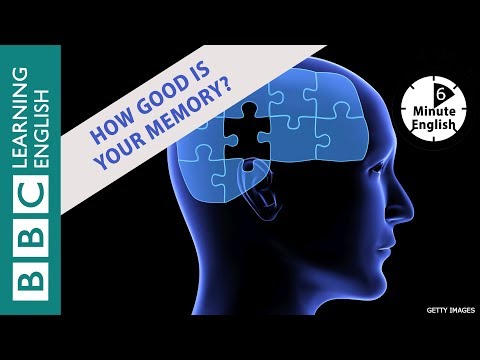
A BBC Learning English video about why our minds go blank mid-conversation and practical strategies to keep speaking despite forgetting words.
This BBC Learning English video tackles a very relatable problem: forgetting words right in the middle of an English conversation. The presenter explains two key reasons this happens — "processing overload" (your brain is busy managing word order and grammar at the same time) and the extra mental step of translating from your first language. A highlight of the video is a live classroom game where real students must describe a word without using three banned words, showing exactly how to talk around a word you can't remember. One student describes something fashion-related by saying "they walk the… heels? …about the dress, like fashion, yeah" — an authentic, messy, real-world moment learners will immediately recognise.
For shadowing, this video is excellent material. The presenter speaks at a calm, measured pace with very clear standard British pronunciation, and the sentences are short and direct. The classroom segments add natural, slightly hesitant speech — perfect for practising the rhythm of real conversation rather than scripted monologue.
This video suits A2–B1 learners who want to build conversational confidence. Shadowers will pick up a toolkit of "buying time" phrases such as "Bear with me" and "Just a minute, I need to think," plus describing strategies like "It's that thing that…" — all immediately usable in real English conversations.