Present continuous for current habits — used to describe ongoing, repeated behaviour: "I spend far too much time looking at my phone."
Modal verb 'need to' for necessity/advice — expresses what is required or recommended: "Parents need to make their expectations higher."
'Can' for possibility — used to describe something that is able to happen: "A shift is a small change. It can be used as a verb or a noun."
Conditional-style structure with 'if' — used to express a cause-and-result relationship: "If you enable something, you encourage somebody's ability to do something or to make something possible."
About this video
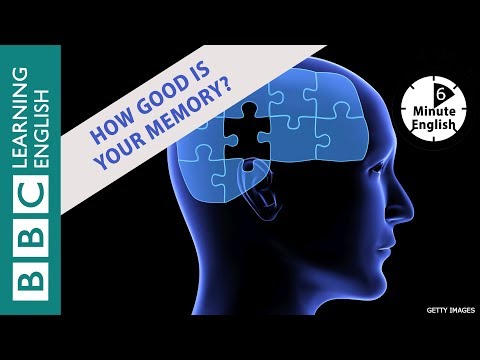
This episode of BBC Learning English's 6 Minute English focuses on the topic of children and screen time. Neil and Becca open with a relatable moment — Neil was caught checking his phone just before recording — and then explore a real-world news hook: Australia's ban on social media for under-16s. The episode features two real experts from BBC World Service's Tech Life: Dr Emily Goodacre (University of Cambridge), who argues parents need to be more intentional about technology, and Dr Becky Kennedy, a clinical psychologist, who offers a practical tip — simply moving a device out of sight so children aren't "set up to fail."
For shadowing practice, this video is excellent material. The two hosts, Neil and Becca, speak in clear, standard British English at a relaxed, natural conversational pace, with short turns and frequent pauses. The expert clips introduce slightly faster, more spontaneous speech, giving learners a gentle step up in challenge within the same episode. Vocabulary is explained in context immediately after it appears, so learners can shadow the definition right after hearing the word used naturally.
This episode suits A2–B1 learners who want to build everyday conversational English around a modern, relevant topic. Shadowers will practise question-and-answer exchanges, vocabulary definitions delivered as full sentences, and common discourse markers like "Yes", "Well", and "Now let's…" — all patterns that are directly useful in real spoken English.
Idioms & expressions
the bar needs to be higher — standards or expectations need to be raised, not kept low or easy to meet
set the bar higher/lower — to raise or lower the level of expectations or standards for something
set someone up for success — to prepare someone properly so they are able to succeed; its opposite, not set up for success, means placing someone in a situation where failure is likely
way too much — an informal, emphatic way of saying "far more than is acceptable or reasonable"
make little shifts — to make small, gradual changes rather than one big sudden change