Turn on Record to capture your voice and get scored
SubtitlesLine 1/64
Summary
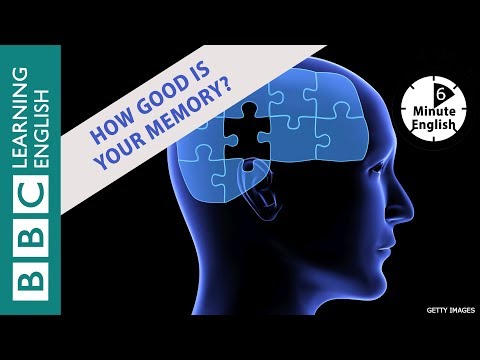
BBC Learning English's Neil and Pippa explore the power of poetry to heal emotions and communicate science, featuring real poems from an open mic night and the Hot Poets group.
Key vocabulary
poetryalliterationopen mic nightjargonimpenetrableturn-offgoosebumpsbiodiversitystrokerecite
Grammar notes
Present perfect for personal experience — used to ask about life experiences without specifying when. "Have you ever read or written any poetry, Neil?"
Modal verb 'can' for possibility/ability — expresses what something is capable of doing. "Maybe poetry can't fix everything, but for Kat, it's making an impact for good."
Passive voice — used here to describe actions where the agent is less important. "anyone is allowed to stand up on stage to sing or recite poems"
Gerund as subject — a verb in -ing form acting as the noun subject of a sentence. "Doing this is a common feature of poetry"
About this video
This episode of BBC Learning English's 6 Minute English centres on the surprising power of poetry in everyday life. Neil admits he "just doesn't get it," while Pippa draws on her English degree to correctly identify alliteration — the repetition of an initial sound across a string of words — as a key feature of poetry. The episode features two vivid real-world examples: BBC reporter Maria reciting a deeply personal poem about a friend who suffered a stroke at an open mic night, and environmental poet Liv Torc performing a piece based on a scientific study into biodiversity for the UN Climate Conference, turning impenetrable jargon into something emotionally powerful.
For shadowing practice, this video is excellent material. Neil and Pippa speak at a measured, classroom-friendly pace with clear standard British accents and natural back-and-forth conversation. The short poetry recitations offer a change of rhythm and expressiveness, giving learners a chance to practise both spoken prose and performed language in a single session.
This episode suits A2–B1 learners who want to build everyday vocabulary around culture and science communication. By the end, a learner will have practised six clearly defined target words (open mic night, jargon, impenetrable, turn-off, goosebumps, alliteration), heard them used in authentic context, and shadowed a natural, friendly British dialogue style.
Idioms & expressions
touch your soul — to affect someone deeply on an emotional or spiritual level; "people can really touch your soul with what they're saying"
come in handy — to be useful at a particular moment; "my English degree might come in handy"
get it — to understand something (informal); "I just don't get it, really"
give someone goosebumps — to cause such a strong emotional reaction that tiny bumps form on the skin; "It still gives me goosebumps when I hear it now"
making an impact — having a noticeable effect or result; "it's making an impact for good"
put into words — to express feelings or ideas in language; "everything that I wish I could say and put into words myself"