Shadow Movies & TV — practice English speaking

Learn English with movies and TV — shadow scenes, dialogue and screenplay breakdowns.

No Country for Old Men — Don't Underestimate the AudienceC1FilmKaraoke12:18
No Country for Old Men — Don't Underestimate the Audience
Lessons from the Screenplay5
Parasite — The Power of SymbolsC1FilmKaraoke13:43
Parasite — The Power of Symbols
Lessons from the Screenplay2
Mad Men — Layers of MeaningC1Film15:13
Mad Men — Layers of Meaning
Lessons from the Screenplay3
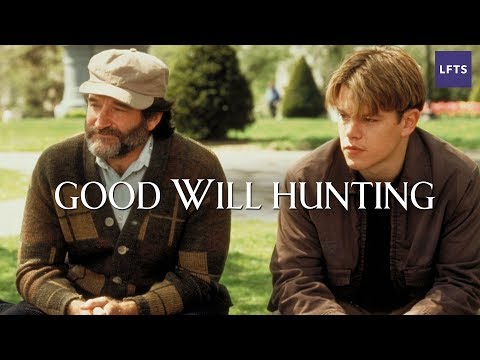
Good Will Hunting — The Psychology of CharacterC1FilmKaraoke12:53
Good Will Hunting — The Psychology of Character
Lessons from the Screenplay2
The Last Jedi — Forcing ChangeC1FilmKaraoke12:11
The Last Jedi — Forcing Change
Lessons from the Screenplay3
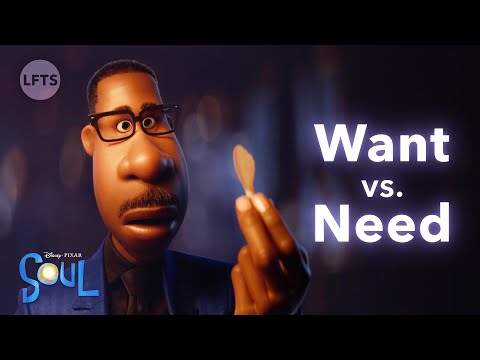
The Soul of Good Character DesignC1FilmKaraoke13:36
The Soul of Good Character Design
Lessons from the Screenplay
One Marvelous Scene — Spider-Man: HomecomingC1Film9:30
One Marvelous Scene — Spider-Man: Homecoming
Lessons from the Screenplay1
Shaun of the Dead — Why Comedy Needs CharacterC1FilmKaraoke10:47
Shaun of the Dead — Why Comedy Needs Character
Lessons from the Screenplay
The Devil Wears Prada — The First 10 PagesC1FilmKaraoke9:47
The Devil Wears Prada — The First 10 Pages
Lessons from the Screenplay
The Real Danger Of ChatGPTC1FilmKaraoke6:42
The Real Danger Of ChatGPT
Nerdwriter13
Iron Man vs. Captain America — The 11-Year Character ArcC1Film16:56
Iron Man vs. Captain America — The 11-Year Character Arc
Lessons from the Screenplay
Annihilation — The Art of Self-DestructionC1FilmKaraoke10:45
Annihilation — The Art of Self-Destruction
Lessons from the Screenplay
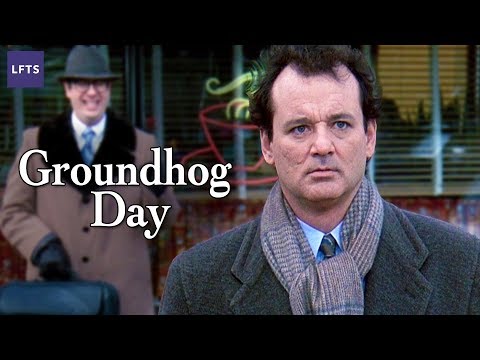
Groundhog Day — An Inescapable PremiseC1FilmKaraoke9:47
Groundhog Day — An Inescapable Premise
Lessons from the Screenplay
Collateral — The Midpoint CollisionC1FilmKaraoke11:29
Collateral — The Midpoint Collision
Lessons from the Screenplay
The Silence of the Lambs — Dissecting a SceneC1FilmKaraoke10:45
The Silence of the Lambs — Dissecting a Scene
Lessons from the Screenplay
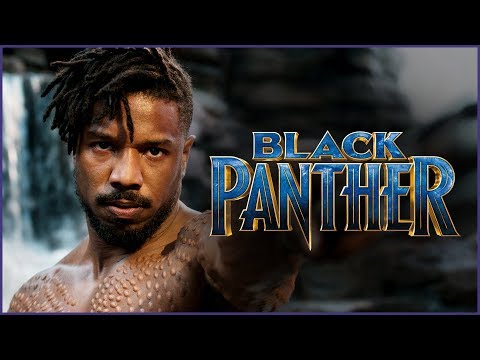
Black Panther — Creating an Empathetic VillainC1FilmKaraoke9:16
Black Panther — Creating an Empathetic Villain
Lessons from the Screenplay
The Last of Us (feat. Writer & Creative Director Neil Druckmann) | @Story ModeC1FilmKaraoke22:51
The Last of Us (feat. Writer & Creative Director Neil Druckmann) | @Story Mode
Lessons from the Screenplay
Casino Royale — How Action Reveals CharacterC1Film9:50
Casino Royale — How Action Reveals Character
Lessons from the Screenplay
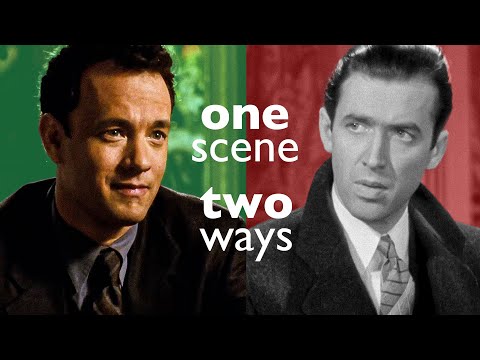
Two Ways To Film The Same Scene (#1)C1FilmKaraoke8:57
Two Ways To Film The Same Scene (#1)
Nerdwriter11
Minority Report — When the Story World Becomes The VillainC1FilmKaraoke11:04
Minority Report — When the Story World Becomes The Villain
Lessons from the Screenplay
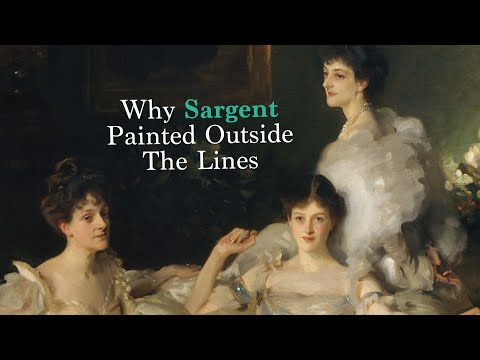
Why Sargent Painted Outside The LinesC1FilmKaraoke7:59
Why Sargent Painted Outside The Lines
Nerdwriter1
The Matrix — Exposition in ActionC1FilmKaraoke10:39
The Matrix — Exposition in Action
Lessons from the Screenplay
Why This Art Is In Every Hair SalonC1FilmKaraoke5:58
Why This Art Is In Every Hair Salon
Nerdwriter1
Jurassic Park — Using Theme to Craft CharacterC1FilmKaraoke11:33
Jurassic Park — Using Theme to Craft Character
Lessons from the Screenplay

Summary

Learn English with movies and TV by shadowing real scenes, dialogue and screenplay breakdowns. Emotional, everyday language and natural expressions make this collection fun and memorable.

Learn English the way people actually talk

Film and TV dialogue is packed with everyday expressions, idioms and emotion — the parts of English that textbooks skip. Shadowing scenes teaches you not just words but delivery: how tone, pauses and stress carry meaning in real situations.

This collection includes channels built for learners, like Learn English With TV Series, plus screenplay and storytelling breakdowns from Lessons from the Screenplay and Nerdwriter. You'll pick up conversational phrases you can use immediately.

How to practice

  1. Choose a short scene and listen once for the feeling.
  2. Shadow line by line, copying not just the words but the emotion and rhythm.
  3. Record and score — then repeat lines that carry strong intonation.
  4. Act it out. Matching a character's energy makes the phrasing stick.

Tips

  • Rewatch favourite scenes; repetition with material you love is the fastest path to fluency.
  • Notice contractions and slang, and try to reproduce them naturally.
  • Want clearer, slower models first? Start with English lessons.